
Updated June 2026
Arizona sun is brutal. With over 300 sunny days per year, your car is under constant attack. Without window tint and paint protection film (PPF), your vehicle’s interior and exterior deteriorate rapidly. This guide explains the damage happening to your car right now – and how tint and PPF prevent it.
✓ 300+ Sunny Days Per Year in Arizona ✓ Interior Temps Can Reach 180°F ✓ UV Damage is Permanent
The Silent Destruction: What Heat Does to Your Car
When you park your car in the Arizona sun, the interior temperature can soar to 180°F within an hour. This extreme heat doesn’t just make your car uncomfortable – it actively destroys components.
🔥 Dashboard Cracking
UV rays break down the polymers in your dashboard. Over time, the surface dries, shrinks, and cracks. Once cracked, replacement costs $800-$2,000+ depending on your vehicle.
🪑 Fading & Cracked Seats
Leather seats fade, dry out, and crack. Fabric seats fade and become brittle. Seat replacement or reupholstery costs $500-$2,500 per seat.
🎛️ Electrical Component Failure
Heat damages sensitive electronics – your infotainment screen, gauge cluster, and control modules. Heat-related electrical failures cost $500-$3,000+ to repair.
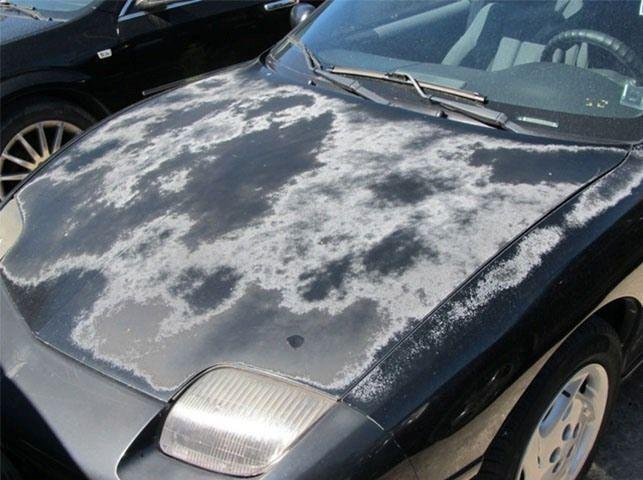
🔲 Paint Oxidation & Clear Coat Failure
UV rays break down your clear coat. The paint becomes cloudy, then peels. A full repaint costs $3,000-$10,000+.
Real Temperature Data: Tinted vs Untinted
We tested two identical vehicles parked side-by-side in Tucson on a 105°F day. Here are the results:
| Measurement | Untinted Car | Ceramic Tinted Car | Difference |
|---|---|---|---|
| Steering wheel temperature | 165°F | 110°F | 55°F cooler |
| Dashboard temperature | 180°F | 120°F | 60°F cooler |
| Seat temperature | 155°F | 105°F | 50°F cooler |
| Cabin air temperature | 135°F | 95°F | 40°F cooler |
Key takeaway: Ceramic window tint reduces interior temperatures by 40-60°F – the difference between a scorching oven and a warm car.
How Window Tint Protects Your Car’s Interior
99% UV Block
Quality window tint blocks 99% of harmful UV rays. This stops fading, cracking, and deterioration of your dashboard, seats, and interior trim.
Up to 60% Heat Rejection
Ceramic tint rejects up to 60% of solar heat. Your AC works less, your car stays cooler, and you save fuel.
Glare Reduction
Reduces eye strain and improves safety during Arizona’s bright sunrise and sunset hours.
How PPF Protects Your Car’s Paint
Window tint protects your interior. Paint Protection Film (PPF) protects your exterior. Here is what happens to unprotected paint:
- Oxidation: UV rays break down paint molecules. The color fades, especially reds and blues.
- Clear coat failure: The protective top layer peels off, exposing raw paint to further damage.
- Rock chips: Arizona highways (I-10, I-17, 101) have loose gravel. Chips lead to rust.
- Etching: Bird droppings and bug splatter bake into the paint, leaving permanent marks.
PPF creates a physical barrier. Rocks bounce off. UV rays are blocked. Bird droppings wipe away without etching. Your factory paint stays perfect underneath.
Cost Comparison: Prevention vs Repair
| Damage Type | Repair Cost | Prevention Cost (Tint or PPF) | Savings |
|---|---|---|---|
| Dashboard replacement | $800 – $2,500 | $400 – $700 (ceramic tint) | $400 – $1,800 |
| Leather seat replacement | $500 – $2,500 per seat | $400 – $700 (ceramic tint) | $100 – $1,800+ |
| Full vehicle repaint | $3,000 – $10,000+ | $1,500 – $2,500 (full front PPF) | $500 – $7,500+ |
| Rock chip repair (per chip) | $50 – $150 | $500 – $2,500 (PPF front end) | Varies (10+ chips pays for PPF) |
Bottom line: Prevention costs a fraction of repair. One dashboard replacement pays for ceramic tint multiple times over.
Signs Your Car Already Has Heat Damage
- Dashboard feels sticky or tacky to the touch
- Visible cracks on dashboard or door panels
- Leather seats feel dry, cracked, or discolored
- Paint looks cloudy or faded (especially on hood and roof)
- Clear coat is peeling or flaking
- Plastic trim is warped or discolored
If you see any of these signs, the damage is already happening. Tint and PPF stop further damage but cannot reverse existing damage.
Frequently Asked Questions – Heat Damage Prevention
How long does it take for sun to damage my car’s interior?
Visible damage typically appears within 2-3 years in Arizona. Fading starts within months. Cracking appears after 2-5 years depending on parking conditions. Prevention is always cheaper than repair.
Is ceramic tint worth the extra cost for heat protection?
Yes. Ceramic tint blocks up to 60% of solar heat vs 30-40% for standard tint. In Arizona’s extreme heat, the difference is dramatic – your car stays 30-40°F cooler. The extra $200-300 pays for itself in comfort and interior protection.
Can PPF be applied to a car with existing paint damage?
PPF adheres best to smooth, undamaged paint. Small rock chips can be touched up before PPF application. Large peeling clear coat or deep scratches require paint correction first. We assess your vehicle during the free quote.
Does window tint help with resale value?
Absolutely. A car with intact dashboard, non-faded seats, and original paint sells for $1,000-5,000 more than a sun-damaged comparable vehicle. Tint and PPF preserve that value.
Stop Heat Damage Before It’s Too Late
Every day in the Arizona sun damages your car. Window tint protects your interior. PPF protects your paint. Call us for a free quote today.
📞 Call for Free Quote: (520) XXX-XXXX
Free estimates | Mobile service | Ceramic tint | PPF installation | Serving Tucson, Phoenix, and all Arizona